
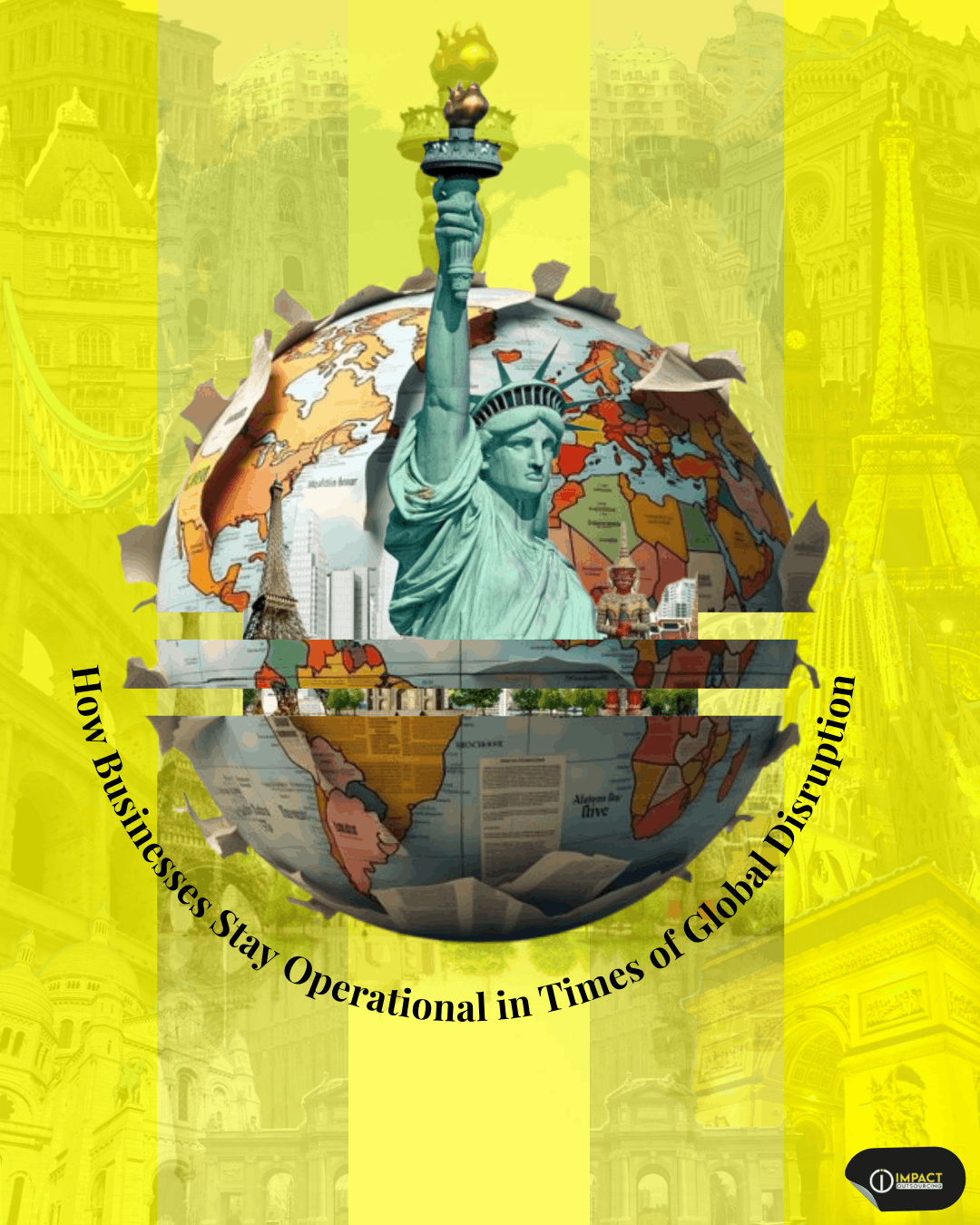
Political instability and economic disruption aren’t distant risks anymore they’re a recurring global reality. From mass protests in Iran to protracted conflict in Sudan, governments and communities around the world are facing crises that ripple into economies, labour markets and supply chains. For companies anchored in the digital economy, especially in outsourcing and tech-enabled services, adapting to this volatility isn’t optional it’s strategic.
This article explores how upheaval affects business continuity and why remote, resilient capacity powered by AI, data services and flexible outsourcing during political unrest.
Global Unrest: A Snapshot of 2025–2026
Several countries are currently grappling with large-scale protests and economic turbulence that disrupt normal operations and labour availability:
-
Iran remains in widespread protest driven by a deepening economic crisis inflation above 40% and a precipitous currency collapse have fuelled strikes, mass shop closures and large street demonstrations across major cities like Tehran and Isfahan. These protests have widened beyond consumer grievances to broader political dissent.
-
Sudan’s civil war continues to devastate its economy and society, with tens of millions displaced and millions more reliant on humanitarian aid conditions that severely limit workforce reliability and infrastructure.
-
Ecuador saw sustained national protests in 2025 following the removal of fuel subsidies, affecting logistics and local services.
-
Morocco’s Gen Z-led protests, rooted in high youth unemployment (over 35%) and weak socioeconomic mobility, point to structural labour market challenges that extend beyond the political sphere.
-
Other regions from South Sudan’s rising conflict risk to ongoing socioeconomic tensions in parts of South Asia illustrate how fragile labour markets and economic uncertainty are cross-continental phenomena.
These situations aren’t isolated headlines they represent real workforce disruptions, communication blackouts, supply chain interruptions and economic contraction that can reshape how businesses operate internationally.
Why Instability Undermines Business Operations
Political unrest and economic instability affect companies in predictable ways:
1. Workforce Disruption
When governments impose curfews, transportation halts or internet restrictions, employees can’t access infrastructure, offices or client systems. This leads to:
-
High absenteeism
-
Lost productivity
-
Recruitment challenges in affected regions
For global businesses that rely on flexible labour from multiple regions, this volatility increases operational risk.
2. Communication Interruptions
As seen in Iran, periods of internet shutdowns, sometimes nationwide can sever team connectivity, obstruct cloud services, and jeopardise customer support continuity.
3. Supply Chain & Economic Ripple Effects
Unrest often coincides with price shocks and currency volatility. Persistent inflation or a collapsing exchange rate strains operating budgets and can reduce the purchasing power of clients and partners in affected regions.
Even Amid Unrest, Digital Resilience Emerges
The answer isn’t retreat — it’s resilience through technology and strategic outsourcing.
AI & Automation Reduce Reliance on Physical Labour
In Africa’s outsourcing landscape, research shows that up to 40% of tasks in the BPO and tech outsourcing sector could be automated by 2030 a shift that presents both challenges and opportunities.
AI-powered workflows can:
-
Process data reliably when human teams are constrained
-
Support remote operations that are less tied to physical infrastructure
-
Accelerate turnaround on critical tasks like data annotation, model training, and analytics
This shift doesn’t replace human insight. It elevates it. Skilled workers can focus on problem-solving and decision-making while machines handle repetitive processes.
From Risk to Opportunity: What Smart Companies Are Doing
Forward-looking organisations are rethinking continuity with these pillars:
Distributed Teams
Geographically diversified talent pools mean that if one region is disrupted, work continues elsewhere. Outsourcing partners with distributed operations ensure continuity across time zones and jurisdictions.
Cloud-First Infrastructure
Cloud-native systems decouple operations from physical offices and local networks, reducing the impact of regional shutdowns or infrastructure disruptions.
AI-Augmented Workflow Integration
By embedding machine learning into processes like transcription, data labelling and pattern detection, businesses can maintain output quality even when human manpower dips.
These adaptations aren’t just survival tactics they’re productivity multipliers in a world where remote work, digital services and agile delivery have become table stakes.
The Bigger Picture: Staying Ahead of Market Shifts
Economic room for manoeuvre isn’t just about reacting to unrest it’s about building systems that anticipate change. Political risk indices predict that global protest activity and economic volatility will remain elevated through 2026, especially in major economies and emerging markets.
For organisations buying or building tech-enabled services, that means:
-
Choosing partners with scalable, redundant capacity
-
Prioritising cloud and AI tools that maintain uptime
-
Structuring teams that don’t hinge on any single geography
Conclusion: A Changing World Needs Adaptive Operations
The world’s economic and political landscape is more interconnected and unpredictable than ever. In this environment, organisations that embed flexibility, redundancy and technology into their operations will outperform those that rely on static, location-bound models.
The strategic use of outsourcing, AI, and resilient digital workflows is no longer a niche advantage it’s fundamental to staying operational when traditional systems falter.