
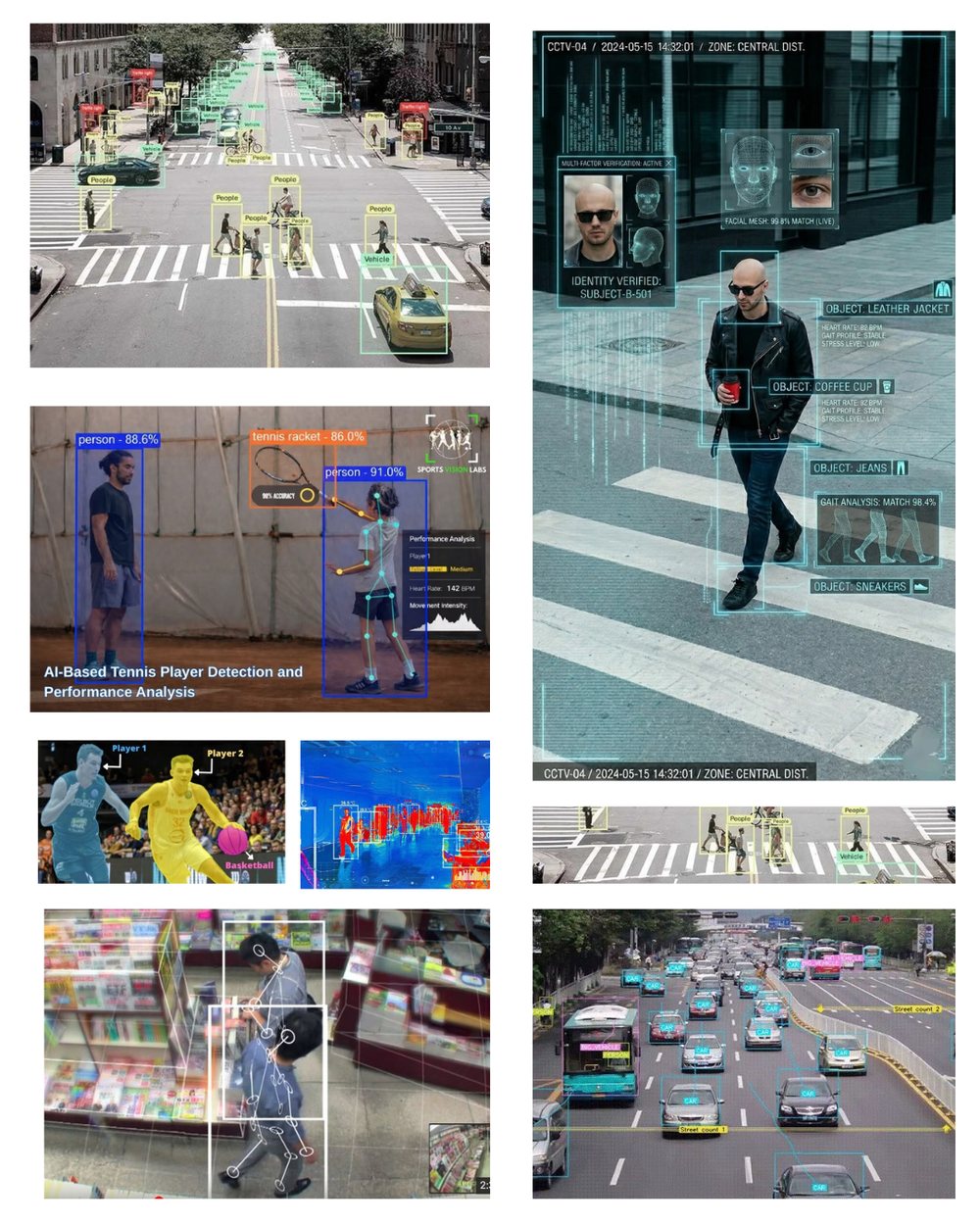
Data labeling tells an AI what something is. Data annotation shows it where, how and why. A label is a name tag. An annotation is a map.
That is the answer in two lines. But it does not explain why one choice can quietly ruin an AI model that looked perfect in testing. For that, start at the beginning.
Data labeling vs data annotation: why two words cause so much confusion
Every AI model starts out knowing nothing. It cannot tell a cat from a car or a complaint from a compliment. It learns only from examples that people have prepared for it, called training data.
Preparing those examples is a huge business. Grand View Research expects the data collection and labeling market to reach USD 17.10 billion by 2030, growing about 28 percent a year.
So you would expect the industry to agree on what to call the work. It does not. IBM treats “data labeling” and “data annotation” as the same thing. AWS uses both words side by side. Meanwhile, the vendors doing the work often price them very differently.
Same words, different meanings, different invoices. To see why, look at what each one actually hands the AI.
Data labeling: teaching AI what something is
Take a single photo of a busy street. Cars, a bus, two motorbikes, a woman crossing the road, a traffic light on red.
Labeling that photo is quick. Someone looks at it and attaches a tag: “street scene.” Or a short list: “cars, people, traffic light.”
That is data labeling: one simple tag that names what is in the data. An email tagged “spam.” A review tagged “positive.” A call recording tagged “Swahili.”
It is fast, it is cheap, and for many jobs it is all you need.
But look again at that street photo. The AI now knows there is a person in it. Does it know where?
Data annotation: showing AI where, how and why
This is where annotation takes over.
Annotating the same photo means drawing a bounding box around every car. Tracing the outline of the woman so the AI knows exactly which pixels are her and which are road. Marking the traffic light and noting that it is red. Maybe noting that she is crossing, not standing still.
That is data annotation: detailed marks that show where things are, what shape they take and what they are doing. In text, it means highlighting the exact words that make a review angry. In audio, it means noting who spoke and when. In a chatbot, it means people ranking answers and explaining why one is safer.
Annotation takes longer and needs more skill, so it costs more. Which raises the obvious question: if labeling is cheaper, why not label everything and let the AI work out the rest?
Because the AI will work out the rest. Just not the way you hoped.
When a label is not enough: the AI that learned the wrong lesson
Give an AI only labels, and it hunts for the easiest pattern that fits them. That pattern is not always the one you meant.
In a widely cited 2016 study, researchers built an image model that seemed to tell wolves from huskies. Then they showed what it was really looking at: snow in the background. Wolf photos tended to have snow. The model had learned “snow means wolf.”
It gets more serious. In 2018, researchers studying chest X-ray models found the AI could tell which hospital an X-ray came from with very high accuracy. In 3 of 5 comparisons, the models did significantly worse on X-rays from hospitals they had not trained on. Part of what they had learned was where a scan was taken, not only what was in it.
This trap is called shortcut learning. Labels say what is in the picture but never point to where, so the AI fills the gap with whatever clue is easiest to find.
Annotation closes that gap. When a person draws the box around the actual problem, the AI has far less room to guess.
Data labeling vs data annotation side by side
| Data labeling | Data annotation | |
|---|---|---|
| Answers | What is this? | Where is it, what shape, what is happening? |
| The AI gets | A name tag | A map |
| Example | Tag an email “spam” | Box every car in a street photo |
| Time per item | Seconds | Seconds to minutes |
| Cost per item | Lower | Higher |
| Best for | Sorting and yes or no answers | Finding, measuring, self-driving, medical scans, chatbots |
Labeling or annotation: which does your project need?
One question settles most cases: does your AI only need to sort things, or does it need to find them?
- Only sort? Spam or not. Happy or angry. Labeling is usually enough, and it is faster and cheaper.
- Find, measure or explain? Where is the tumour? Which car is turning? You need data annotation.
- Not sure? Run a small pilot. Annotate a few hundred items, test, and let the results decide.
And when a quote arrives, do not judge it by the word it uses. Ask what will actually be marked on each item.
Getting this wrong is expensive, as we explain in The real price of getting AI data wrong. Even careful teams can agree on the wrong answer, which is why we wrote Your agreement score cannot see half your errors.
Data labeling vs annotation FAQs
What is the difference between data labeling and data annotation?
Labeling gives each item one simple tag, like “spam.” Annotation adds detail, such as boxes, outlines and notes that show where things are and what they are doing.
Is it data labeling or data labelling?
Both are correct. “Labeling” is American spelling and “labelling” is British.
Is data tagging the same as data labeling?
Yes. Tagging is an everyday word for labeling.
Can AI label data by itself?
It can pre-label easy cases. People still handle unclear or high-stakes items and check the machine’s work. This is called human in the loop.